Mapping Incentive Networks Linking Reel Spins to Live Table Simulations Through Secure Transfer Protocols in Fragmented Markets
Written by Yara Simmons · Oct 24, 2026

Mapping Incentive Networks Linking Reel Spins to Live Table Simulations Through Secure Transfer Protocols in Fragmented Markets
Operators in multiple jurisdictions now map incentive networks that tie reel spin activity directly to live table simulations, and they route those connections through secure transfer protocols designed for fragmented regulatory environments. Data from October 2026 shows continued growth in cross-format reward synchronization, particularly where mobile platforms serve both slot-style games and real-time dealer tables within the same player account. Those networks rely on encrypted data exchanges that move points, bonuses, and eligibility flags without violating local licensing rules.
How Networks Form Across Formats
Developers build these systems by assigning unique identifiers to each reel spin event, then they feed those identifiers into a central ledger that recognizes equivalent activity on live table simulations. One study from iGaming Ontario revealed that players who complete sequences of reel spins often receive tiered access to live dealer sessions, and the transfer occurs through API calls authenticated by multi-factor tokens. Observers note that the process keeps records separate by jurisdiction so that operators meet distinct tax and reporting obligations in each market.
Fragmented rules create the need for modular architecture, because a protocol that works in one region may require adjustment elsewhere. In practice, companies segment the incentive flow into stages: capture of reel data, validation against live table criteria, and final delivery of rewards through secure channels. This segmentation allows quick updates when regulators adjust their frameworks, and it reduces the risk of cross-border data conflicts.
Secure Transfer Mechanisms in Use
Secure transfer protocols typically combine end-to-end encryption with tokenization so that player identifiers never travel in plain text. According to figures released by the Nevada Gaming Control Board, transaction volumes between slot and table modules increased steadily through the third quarter of 2026, and most exchanges completed in under two seconds. The same report highlights that operators audit these pathways quarterly to confirm compliance with data residency requirements.
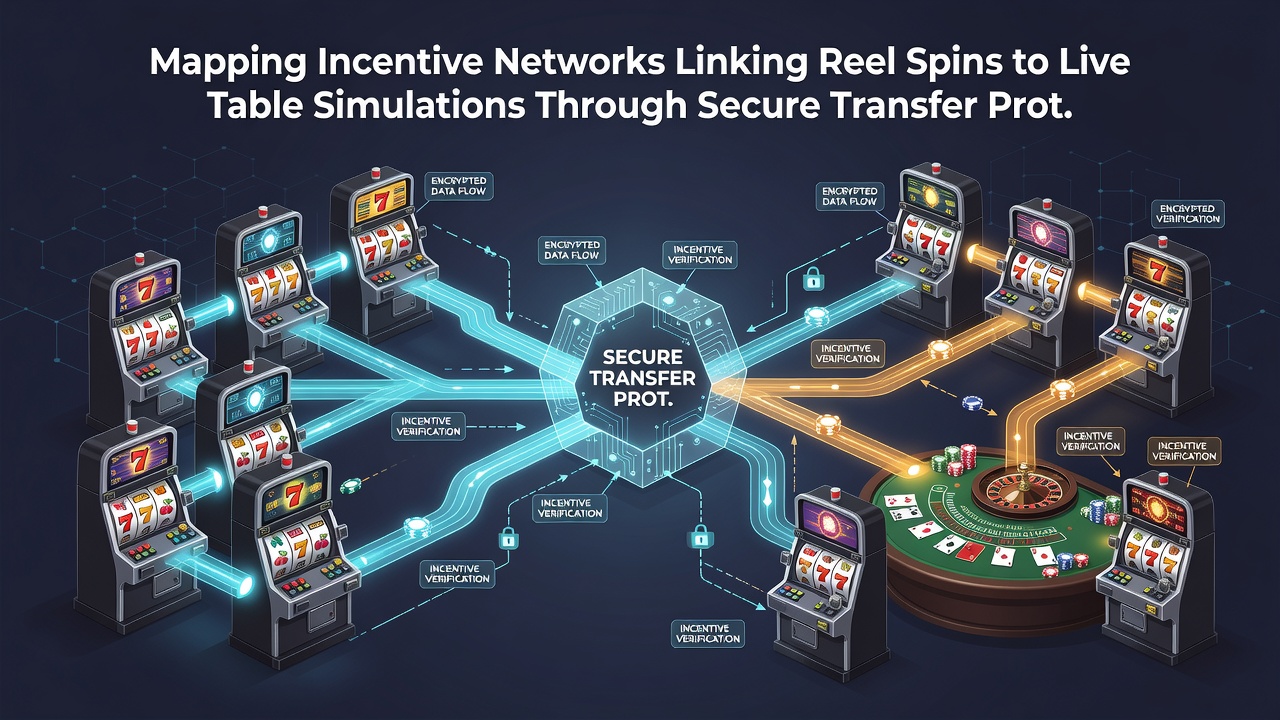
Some networks incorporate distributed ledger elements that record each reward handoff without exposing underlying player profiles. Researchers at the University of Nevada, Las Vegas documented pilot programs in which blockchain timestamps helped resolve disputes over delayed incentive credits. Those timestamps sit alongside traditional database entries, giving regulators an immutable trail while operators retain flexibility to adjust reward values based on local market conditions.
Regional Variations and Data Patterns
Markets such as New Jersey and parts of Europe apply different thresholds for when reel activity converts into live table credits. In October 2026, the New Jersey Division of Gaming Enforcement updated its reporting template to capture these conversions separately, and early submissions showed that roughly 18 percent of mobile accounts used both formats within a single session. Similar patterns appear in Australian data from state gaming authorities, where cross-format participation correlates with longer average session lengths.
Operators adjust protocol parameters by region because latency tolerances and encryption standards differ. In one documented rollout across Southeast Asian jurisdictions, teams deployed region-specific gateways that reroute traffic through local servers before final reconciliation. This approach satisfies data localization statutes while preserving the unified incentive view presented to the player.
Operational Examples from 2026
Take the case of a multi-state operator that linked its reel spin loyalty tiers to live blackjack tables in permitted markets only. The system checks each player's location and license status before authorizing the transfer, then it logs the outcome in a compliance dashboard reviewed by internal auditors. Figures from that operator's quarterly filing indicate that secure protocol uptime exceeded 99.7 percent during peak periods.
Another implementation in a Canadian province used smart contracts to automate eligibility checks for combined reel and table bonuses. The contracts execute only after both the reel spin count and the live session duration meet predefined thresholds, and they reject any attempt that violates daily loss limits set by provincial rules.
Conclusion
Mapping these incentive networks requires ongoing coordination between technical teams, compliance officers, and regulators across separate jurisdictions. The protocols that support them continue to evolve as new reporting standards emerge and as operators expand into additional fragmented markets. Data collected through October 2026 underscores the importance of modular design that isolates regional rules while maintaining consistent player experiences across reel spins and live table simulations.